
Home
Blog
Effective SMART Goals for Product Managers: Driving Measurable Success in Product Management Strategy and Roadmap Planning
Effective SMART Goals for Product Managers: Driving Measurable Success in Product Management Strategy and Roadmap Planning
Transform your product management strategy and drive measurable results. Learn how to set clear, data-driven goals that avoid the hidden costs of vague objectives, align with business outcomes, and lead to product success.



Table of Contents
The Hidden Cost of Vague Product Management Goals
Product managers face a harsh reality: 73% of professionals fail to achieve their annual objectives, often due to poorly defined goals that lack clarity and measurable outcomes. In the fast-paced world of product development, vague aspirations like "improve user experience" or "increase engagement" lead to wasted resources, missed deadlines, and frustrated stakeholders.
The difference between successful product managers and those who struggle isn't talent—it's their approach to goal setting. Strategic goal-setting serves as the foundation for product roadmap planning, stakeholder alignment, and measurable business impact.
Why Traditional Goal Setting Fails in Product Management
Most product managers inherit goal-setting approaches from other disciplines without considering the unique challenges of product development. Unlike sales targets or marketing metrics, product management success requires balancing competing priorities: user needs, business objectives, technical constraints, and stakeholder expectations.
Common pitfalls include:
- Setting goals without connecting them to business KPIs
- Focusing solely on output metrics instead of outcome-driven results
- Ignoring cross-functional dependencies that impact goal achievement
- Creating unrealistic timelines that don't account for product discovery phases
The SMART Framework Adapted for Product Management Strategy
The SMART framework (Specific, Measurable, Achievable, Relevant, Time-bound) provides structure, but product managers need to adapt it for their unique context.
Specific: Define Clear Product Outcomes
Instead of vague objectives, articulate specific user problems you're solving and business metrics you're improving.
Weak Goal: "Improve the checkout process" SMART Goal: "Reduce checkout abandonment rate from 23% to 18% by implementing a streamlined three-step process and guest checkout option"
Measurable: Establish Product Metrics That Matter
Product analytics should guide your measurement strategy. Focus on a combination of:
- Leading indicators (user engagement, feature adoption)
- Lagging indicators (revenue, retention, customer satisfaction)
- Health metrics (system performance, user experience scores)
Achievable: Account for Product Development Realities
Consider technical debt, resource constraints, and dependencies on other teams. Use historical data from previous sprints to estimate realistic timelines.
Relevant: Align with Product-Market Fit Objectives
Every goal should connect to your product strategy and broader business objectives. Use OKRs for product teams to maintain alignment between individual goals and company-level outcomes.
Time-bound: Create Milestone-Driven Timelines
Break annual goals into quarterly milestones that align with product roadmap planning cycles and allow for iterative feedback.
Strategic vs. Tactical Goal Balance for Product Success
Effective product managers maintain a portfolio of goals that balance immediate execution with long-term strategic thinking.
Strategic Goals: Building Product Management Expertise
Focus on capabilities that compound over time:
- Customer Research Mastery: "Conduct monthly user interviews with 15+ users to improve product discovery process and reduce feature development risk by 25%"
- Stakeholder Management Excellence: "Establish quarterly business review process with C-level executives to improve product roadmap alignment and secure 20% budget increase"
- Product Analytics Proficiency: "Implement comprehensive product metrics dashboard tracking user journey conversion rates across five key touchpoints"
Tactical Goals: Immediate Product Improvements
Target specific, measurable improvements:
- Agile Product Development Efficiency: "Reduce average story completion time from 8 to 5 days through improved user story mapping and backlog refinement processes"
- Feature Performance: "Increase new feature adoption rate from 15% to 30% within first month of release through improved onboarding flows"
Advanced Goal-Setting Techniques for Product Managers
Proxy Metrics for Long-Term Impact
When direct measurement takes too long, use leading indicators:
- Instead of waiting for Customer Lifetime Value data, track Average Revenue Per User (ARPU) monthly
- Rather than measuring long-term retention, focus on day-7 and day-30 engagement metrics
- Use Net Promoter Score as a proxy for future organic growth
Health Metrics to Prevent Unintended Consequences
Ensure goal achievement doesn't create negative side effects:
- Monitor user satisfaction scores when optimizing for engagement
- Track technical performance metrics when pushing for faster feature delivery
- Measure team velocity and burnout indicators when setting aggressive timelines
Practical Implementation: From Goals to Product Roadmap Execution
Step 1: Quarterly Goal Setting Aligned with Product Cycles
Break annual objectives into 90-day sprints that align with product development cycles:
Q1 Focus: Foundation building and customer research Q2 Focus: Feature development and user testing
Q3 Focus: Launch execution and performance optimization Q4 Focus: Analysis, iteration, and planning for next year
Step 2: Weekly Progress Tracking
Use product management tools to maintain visibility:
- Notion or Confluence: Document goals and progress updates
- Jira or Linear: Track goal-related epics and user stories
- Analytics Dashboards: Monitor key product metrics weekly
Step 3: Monthly Stakeholder Alignment
Regular check-ins ensure goals remain relevant as market conditions change:
- Review progress against established product metrics
- Adjust timelines based on technical discoveries or market feedback
- Communicate impact to stakeholders using data-driven updates
Ethical Considerations in Product Management Goal Setting
Responsible goal setting requires considering broader implications:
User-Centric Ethics
- Avoid growth tactics that manipulate user behavior
- Ensure accessibility improvements aren't sacrificed for feature velocity
- Balance business metrics with genuine user value creation
Team Health and Sustainability
- Set realistic expectations that prevent team burnout
- Include diversity and inclusion metrics in team-level goals
- Consider environmental impact of product decisions
Common Goal-Setting Pitfalls and Solutions
Pitfall 1: Focusing Only on Feature Output
Solution: Emphasize outcome-driven goals tied to user behavior and business metrics
Pitfall 2: Ignoring Cross-Functional Dependencies
Solution: Include stakeholder alignment milestones and collaboration metrics
Pitfall 3: Setting Too Many Simultaneous Goals
Solution: Limit focus to 3-5 major objectives per quarter using prioritization frameworks
Tools and Templates for Product Management Goal Setting
Recommended Goal-Tracking Tools
- OKR Platforms: Lattice, 15Five, or Weekdone for company-wide alignment
- Product Analytics: Amplitude, Mixpanel, or Google Analytics for metric tracking
- Project Management: Asana, Monday, or ClickUp for milestone management
Transform Your Product Management Approach with Strategic Goal Setting
Effective goal setting transforms product management from reactive firefighting to strategic value creation. By applying SMART frameworks adapted for product contexts, balancing strategic and tactical objectives, and maintaining ethical considerations, product managers can drive measurable business impact while advancing their careers.
The key is consistent execution: regular reviews, stakeholder alignment, and willingness to adjust based on data and market feedback. Remember, your goals should inspire action and create accountability, not generate anxiety or unrealistic pressure.
Ready to revolutionize your product management approach? ProductPeople's experienced consultants help product teams implement proven goal-setting frameworks that drive measurable results. Contact us to discover how strategic goal setting can accelerate your product success and career growth.
FAQ

Interested in working with us?
Our Interim/Fractional Product Managers, Owners, and Leaders quickly fill gaps, scale your team, or lead key initiatives during transitions. We onboard swiftly, align teams, and deliver results.
Read More Posts
March 2, 2026
Product Management: Jobs, Tools & Certification Guide
Learn what a product is, how product management works, and whether a product management certification is worth it. Explore jobs, tools, and career strategies.

February 27, 2026
Defining the Modern Standard for Successful Products
Discover how to build great products in 2026. Learn about data products, competitive products, and digital product examples to stay ahead in the market.

February 25, 2026
Leveraging User Experience Basics for Strategic Product Growth
A conceptual diagram illustrating user experience basics, highlighting core user experience principles and the research-driven process user experience for digital products.

February 23, 2026
Beyond the Survey: High-Impact Market Research Methods for Product Leaders
Master the most effective market research methods to de-risk your product roadmap. Explore primary market research techniques and methodologies used by top product leaders to drive growth.
February 20, 2026
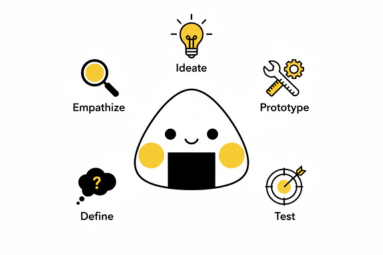
Design Thinking: A Guide for Product Managers
Learn how the design thinking process helps product managers solve real user problems. Explore practical examples, essential tools, and frameworks that work.

February 18, 2026
Customer Journey: Optimize Digital Experiences Effectively
Master the customer journey. Learn how to map user touchpoints, reduce friction, and align teams around digital experiences.